Facts from public sources, not quotes. Where these numbers come from
Truckee snow comes in feet, and the rules here are about berms, parking and where the snow goes. Here's what the Town, Placer County, Caltrans and NOAA say.
Get a free quote How it worksThe Truckee Ranger Station averages 206.6 inches of snow a season, with February (47.9 inches), December (44.2) and January (43.6) the snowiest months, and about 41.9 days a year with an inch or more (NOAA, 1991–2020).
The berm the Town plow leaves across your driveway is the homeowner's or resident's to clear. Plan a contractor return pass after the Town plow.
The road right-of-way is for Town snow storage, not for individuals. Pile your snow on your own property.
No parking on Town roads or rights-of-way Nov. 1 to Apr. 30. Parking behind the snow poles is not enough.
Keep cars off the street and right-of-way all winter, even on mild days. Placer County notes snow operations may still occur.
Our analysis of NOAA daily records puts the median first measurable snow in Truckee on November 2. Book a crew in September or October.
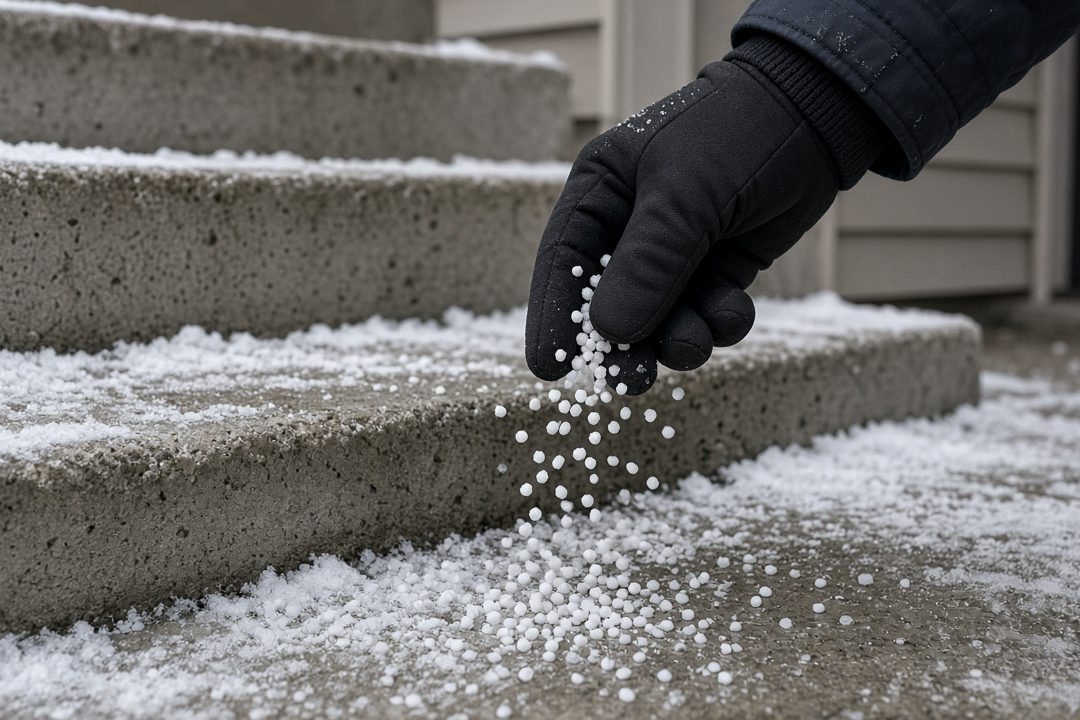
The normal January low in Truckee is 16.1°F (NOAA). Treat shaded steps and walks before the evening cold sets in.
Sources: NOAA NCEI, NOAA NCEI, Town of Truckee, Placer County.
A wide pusher or a two-stage gas blower moves deep, heavy snow without lifting it.
Rake heavy snow off the roof edge from the ground. Stay clear of power lines and never work from a ladder; hire a pro for anything up top.
Run any generator outdoors only, far from windows, doors and garages, and keep snow away from the exhaust.
Caltrans: always carry chains, and make sure they are the proper size for your tires. 4WD and AWD drivers must still carry them in chain control areas.
Check Caltrans QuickMap or the I-80 road status before you leave, and Nevada 511 for the Nevada side.
If you get stalled, stay with your vehicle and give snowplows room (Caltrans).
Sources: Caltrans, Caltrans, Caltrans QuickMap, Nevada 511 (NVroads).
Want help? See tools in the Ice Fighter shop, read the winter travel and chain control guide, or let a crew do it.